





Teachers want all students to feel welcome and thrive in their classrooms. Each year children arrive at school with unique requirements; some have needs that will compel educators to look beyond traditional classroom management. Teachers need support to implement strategies that address special needs such as autism, ADHD and sensory differences. Although inclusive practices are geared to address these issues, the improvements will benefit all students, regardless of their needs. Read on for ideas to engage a classroom of mixed needs and foster a warm, welcoming environment for everyone!
1. Create a Supportive Physical Environment
One thing that can really make a difference is shaking up the traditional classroom setup. Instead of rows of desks with the teacher at the front of the classroom and bright bulletin boards on the walls, the classroom surroundings need to change along with the needs of neurodivergent students.
- Diminish Distractions
Keep visual stimulation and noise to a minimum. Use Light Filtersto dim harsh overhead lighting and keep window shades closed to prevent overstimulating direct sunlight. Consider installingFelt Right Tiles on the walls to reduce noise coming into the classroom from the hallways or adjacent rooms. Use calming colors and more minimal or cohesive decorations to reduce sensory overload.
- Flexible Seating
Movement can provide the sensory input overactive children need to focus, as well as alert kids with low arousal. Offer different seating optionsthroughout the room to accommodate various needs. Use Mushy Smushy Bean Bag Chairsto encourage relaxation in a reading corner.Wobble Chairsor wiggle cushionscan increase children’s focus at workstations. Designate a spot for each student with Spot MarkersandHoneycomb Cushions during circle time.
- Sensory-friendly spaces
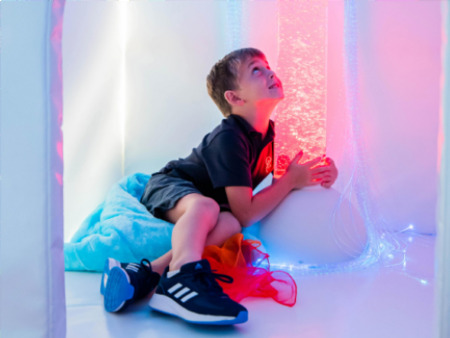
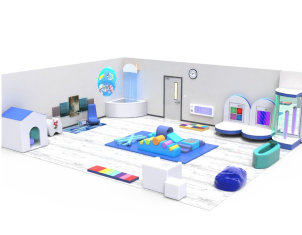
Create classroom corners where children can take breaks if they feel overwhelmed. Add a Break Box of various tools so that children can choose what tools they need at a given time. (Read more about the benefits of classroom corners here.)
- Visual organizers
Clearly posted schedules, classroom rules and bins marked for easy cleanup promote organization and calm. Adding in a visual element can aid students who have a hard time reading, as well as making it easier for kids to know what is coming up at a glance. Visual timers are also a great tool to empower students to stay on track with activities.
- Build in breaks
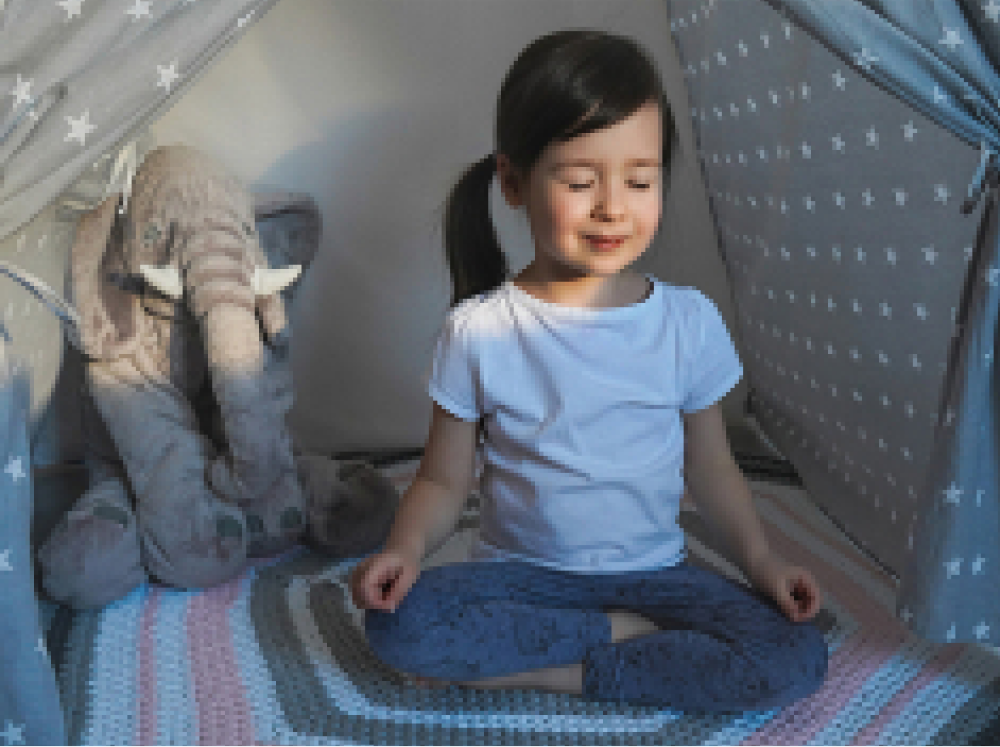
Neurotypical and neurodivergent children attend better when sensory breaks are built into their schedules. Heavy work activities provide a quick proprioceptive boost. Meditation and slow, rhythmic movements can help them disengage from an overwhelming environment and transition better.


2. Allow for Individualized Learning
- Differentiated instruction
Take some time to identify the various learning styles of the students. Incorporate learning aides, visual aids, hands-on activities and interactive technology to fit what each child needs.
- Pacing
Adjust the pace of instruction to suit the child’s learning speed. Provide extra time for tasks if needed. Some kids might need you to pre-teach a method before introducing it to the class or re-teach it if they did not understand it the first time.
- Clear instructions
Give clear, concise instructions and check for understanding. Use visual schedules and step-by-step guides to help students complete tasks. Students can use a Time Timer with Dry Erase Board to write out checklists that can help guide them through independent work.


3. The Right Tool for the Job
Kids with sensory overload often benefit from a calming object. Those with a higher sensory threshold may need something more stimulating. Some kids need multi-sensory tools to help them learn, so that they can get more than one type of sensory input as needed. Create a toolbox for your classroom that focuses on both sensory and learning needs.
- Sensory tools
Offer tools like fidgets,Noise Reduction Headphones,or lap pads to help the child manage their sensory input. Keep a supply of Stretch Me Chair Fidgets and chewy pencil toppers for students to get quiet sensory input during lessons.
- Learning Tools
There are many sensory tools that are great for teaching classroom concepts. The geometric shapes of Busy Fingers™ Tangram help teach math concepts. Students can improve reading and writing skills withABC Touch and Feel Lettersand raised line paper; the tactile component may increase understanding and retention. TheErgo-Rite Slant Board promotes proper posture while writing, which also improves concentration.


4. Foster a Positive Social Environment
Initiate a culture of empathy and awareness in the classroom by educating the entire class about learning differences. This can pave the way for several types of social learning.
- Social-emotional curriculum
Teaching students how to identify what they are feeling and what a peer might be feeling can cultivate a culture of greater empathy. Use Emoji Emotions Cards to prompt kids to pinpoint how they feel. The variety of tools in the Social Emotional Learning Box™offer children an opportunity to learn to recognize and manage their emotions.
- Social skills training
Incorporate social skills training into the curriculum to help children learn to navigate social interactions in other settings. Create opportunities for collaboration in group activities and free play.
- Peer support
Encourage peer interactions and buddy systems. Pair the child with supportive classmates for group activities.


5. Use Positive Reinforcement
- Celebrate success
Validate students’ achievements, no matter how small, so they can see that their efforts are important. Share these moments with the parents, too!
- Goal setting
Goals should be individualized, as not all kids in an inclusive classroom will be on the same level. Goals must be achievable in the short term so that you can regularly reward progress to build the child’s confidence and self-esteem.
- Capitalize on strength and interests
Strengths and interests can be used to motivate a student. If a child is not a good writer, maybe they can draw a story instead, thus still developing cognitive skills. The preschooler who loves to throw can toss the blocks into the bin instead of washing the paint brushes during cleanup. An “I can do that!” experience with teacher feedback will lead to success in other areas.

6. Collaborate with Parents and Specialists
- Regular communication
Educate students’ parents about the classroom setup as they may be unfamiliar with these accommodations. Establish regular methods of communication both ways so that you can be aware of any issues in the home environment that may affect classroom behavior.
- Professional support
Work with speech therapists, occupational therapists and other specialists to help implement specific strategies in the classroom.
- Continuous education
Utilize resources in your professional organization to update your knowledge and stay informed about best practices for inclusive education. There are also many online resources and courses available to enhance your teaching strategies.
Creating an inclusive classroom for a child with special needs is a rewarding endeavor that requires patience, creativity and a collaborative approach. By understanding and addressing the unique needs of each child, you can foster an environment where all students feel valued, supported, and empowered to succeed. Remember, inclusion is not just a practice but a mindset that enriches the learning experience for everyone.


Comments